Fullstack Development & Database Design
End-to-end products with API contracts, responsive interfaces, and data models built for real production access patterns.
A product feels simple to a customer only when the UI, API, and database agree. I work across all three because most expensive bugs live in the seams: a polished screen built on a slow query, an API contract that cannot evolve, or a background process that behaves differently under real traffic.
The recurring lessons are unglamorous and valuable. A missing index can look like a scaling problem. An unbounded connection pool can take down a healthy database. A GraphQL schema can expose a path nobody meant to make cheap. Concurrent writes will eventually race. I start with access patterns, query plans, contracts, and failure states—then use the right mix of transactions, caching, search, queues, and UI feedback to keep the system fast and honest as usage grows.
Relevant Selected Work
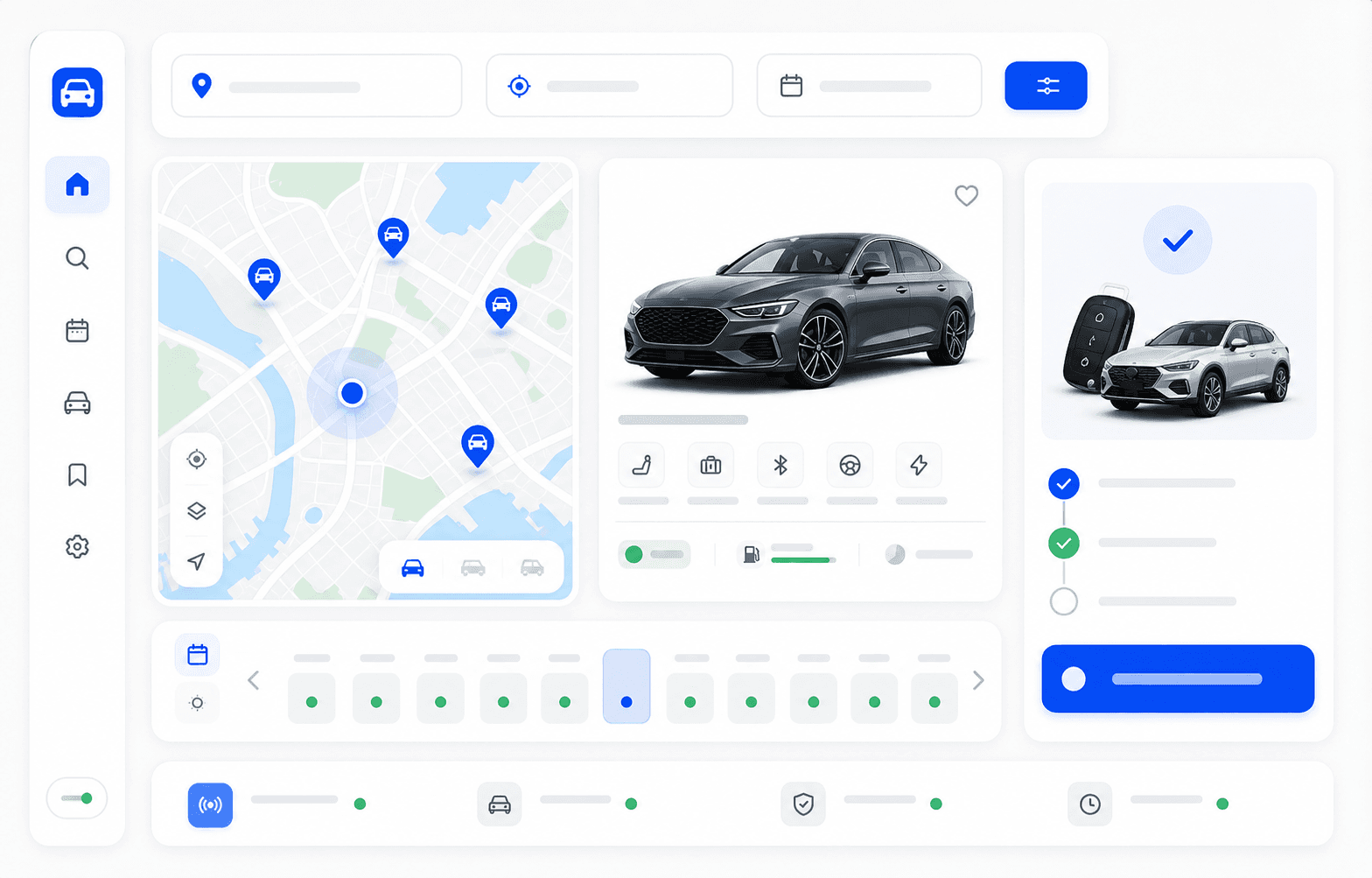
Preventing Rental Car Double-Bookings with Serializable Transactions & Geo-Spatial Search
View Technical Details
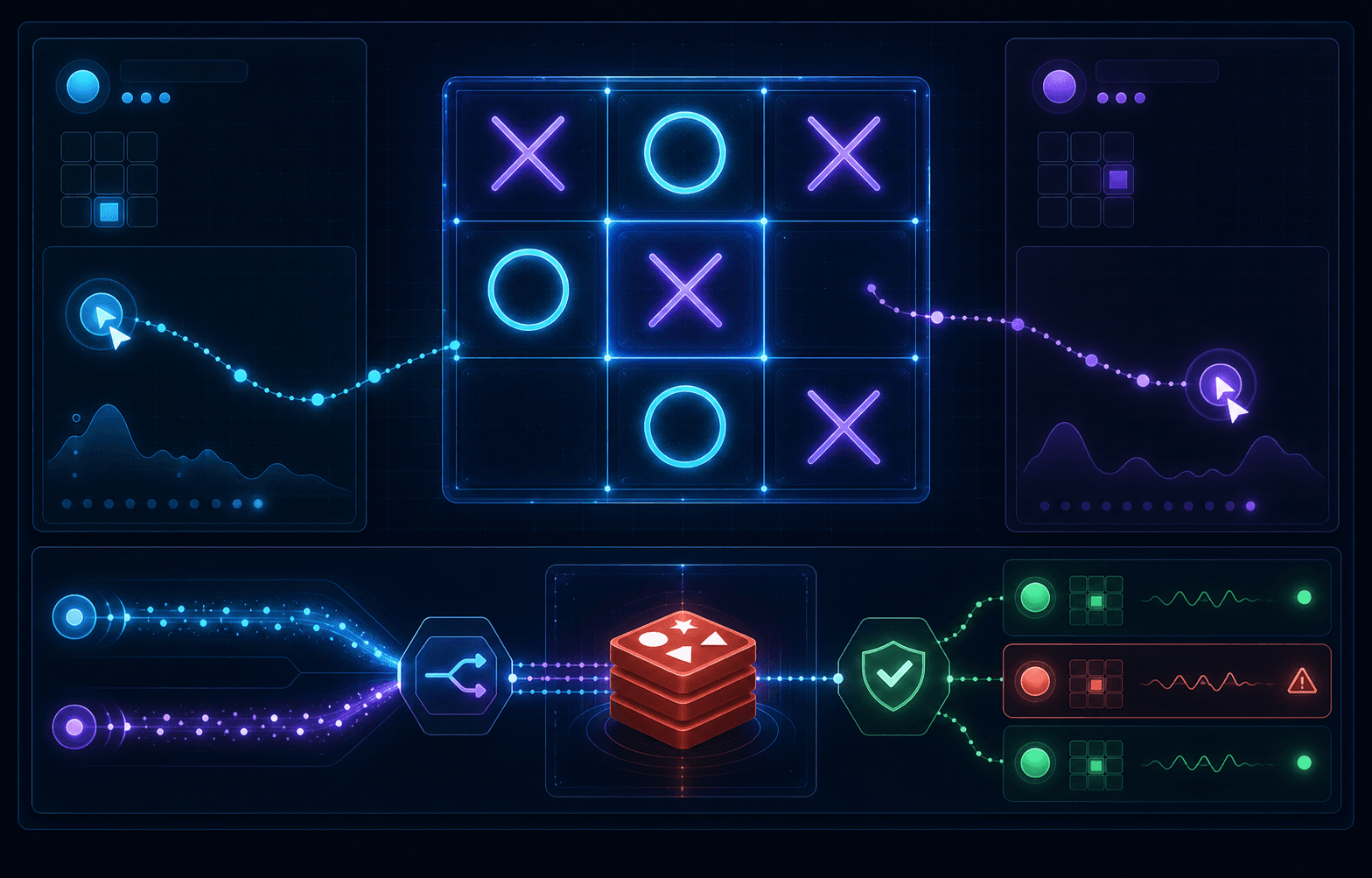
Eliminating Race Conditions in Real-Time Multiplayer Games with Atomic Redis Lua
View Technical Details
Relevant Engineering Insights
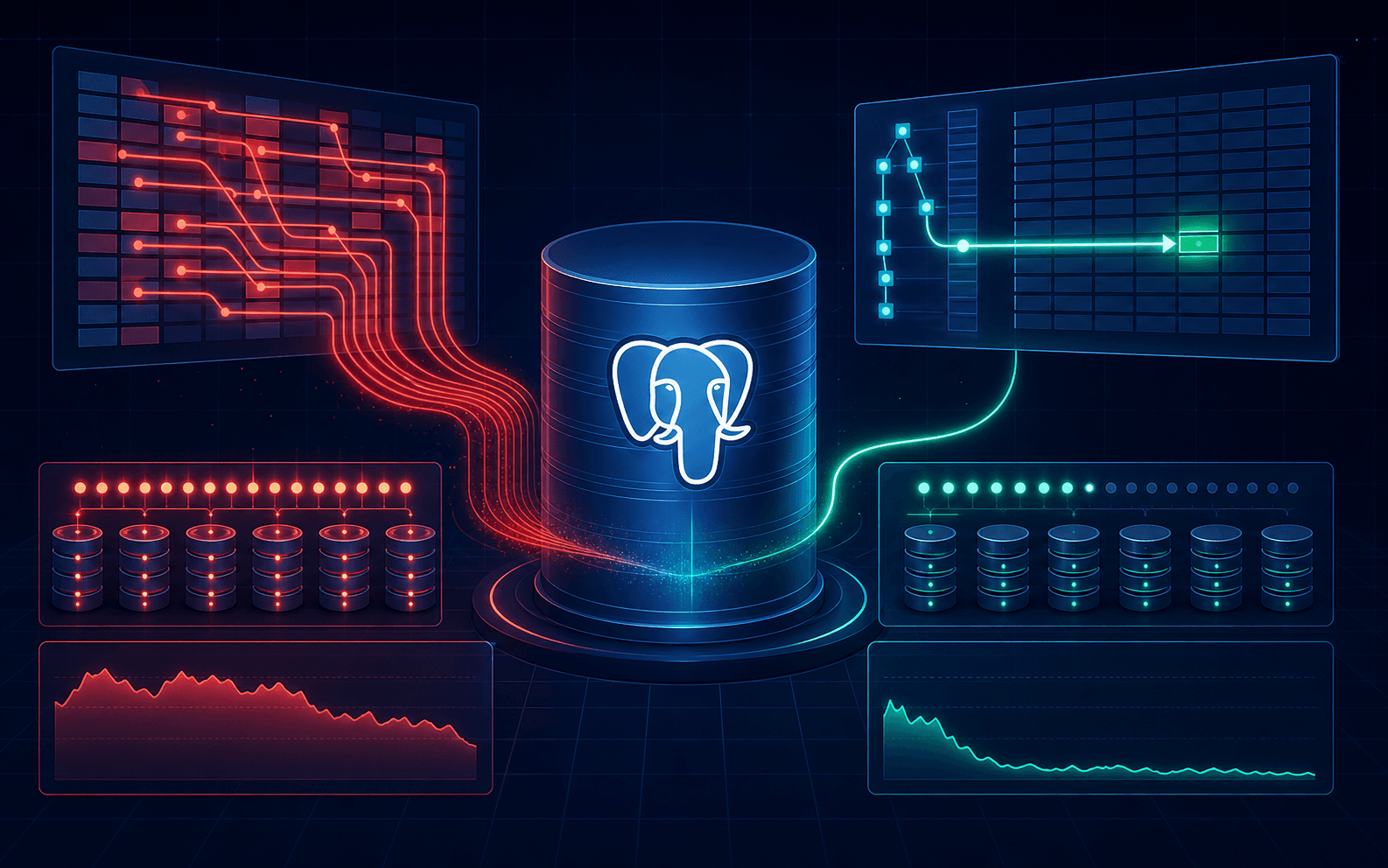
The Client Thought They'd Outgrown Postgres. They Hadn't.
A client was sure they'd outgrown Postgres and wanted more pods, replicas, and shards. The real problems were one missing index and a connection storm — two-day fixes, not a re-architecture.
Read Insight
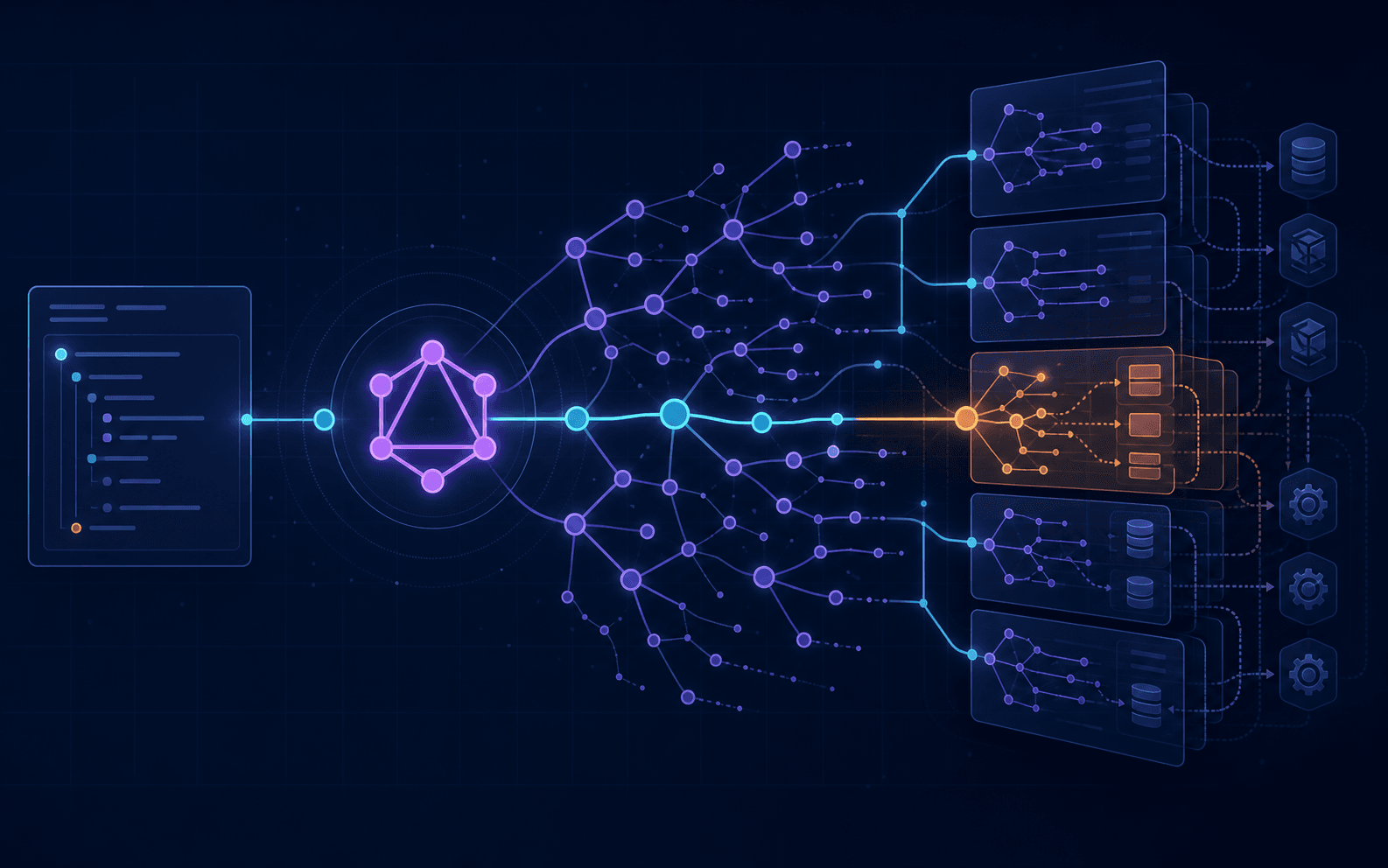
GraphQL Didn't Remove Our API Complexity — It Exposed It
Key insights and best practices learned while building production GraphQL APIs
Read Insight
Relevant Production-Ready Patterns
GraphQL Query Optimization
query GetUserPosts($limit: Int!) {
  user {
    id
    posts(limit: $limit) {
      id
      title
      createdAt
    }
  }
}
Key Learning: Implementing DataLoader for N+1 query prevention
Kafka Consumer Groups
const consumer = new Kafka({
  clientId: 'app-consumer',
  brokers: ['kafka:9092']
}).consumer({ groupId: 'payment-group' });

await consumer.subscribe({ topic: 'transactions' });
await consumer.run({ eachMessage: processor });
Key Learning: Parallel processing with automatic rebalancing
Need Fullstack Development & Database Design Work Done?
Grab a slot below for a 30-minute call.
This site uses analytics cookies to understand how visitors use it. See the Privacy Policy for details.